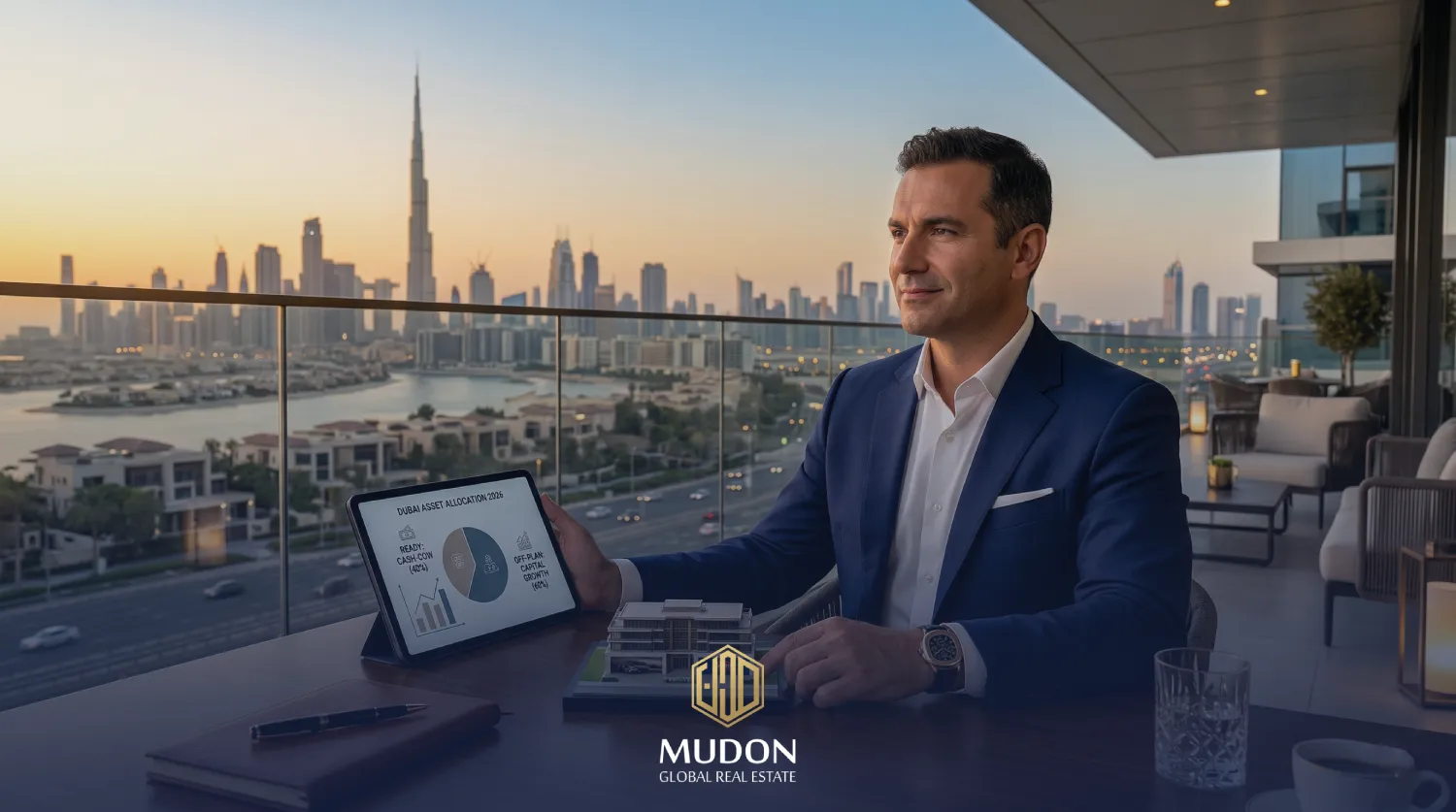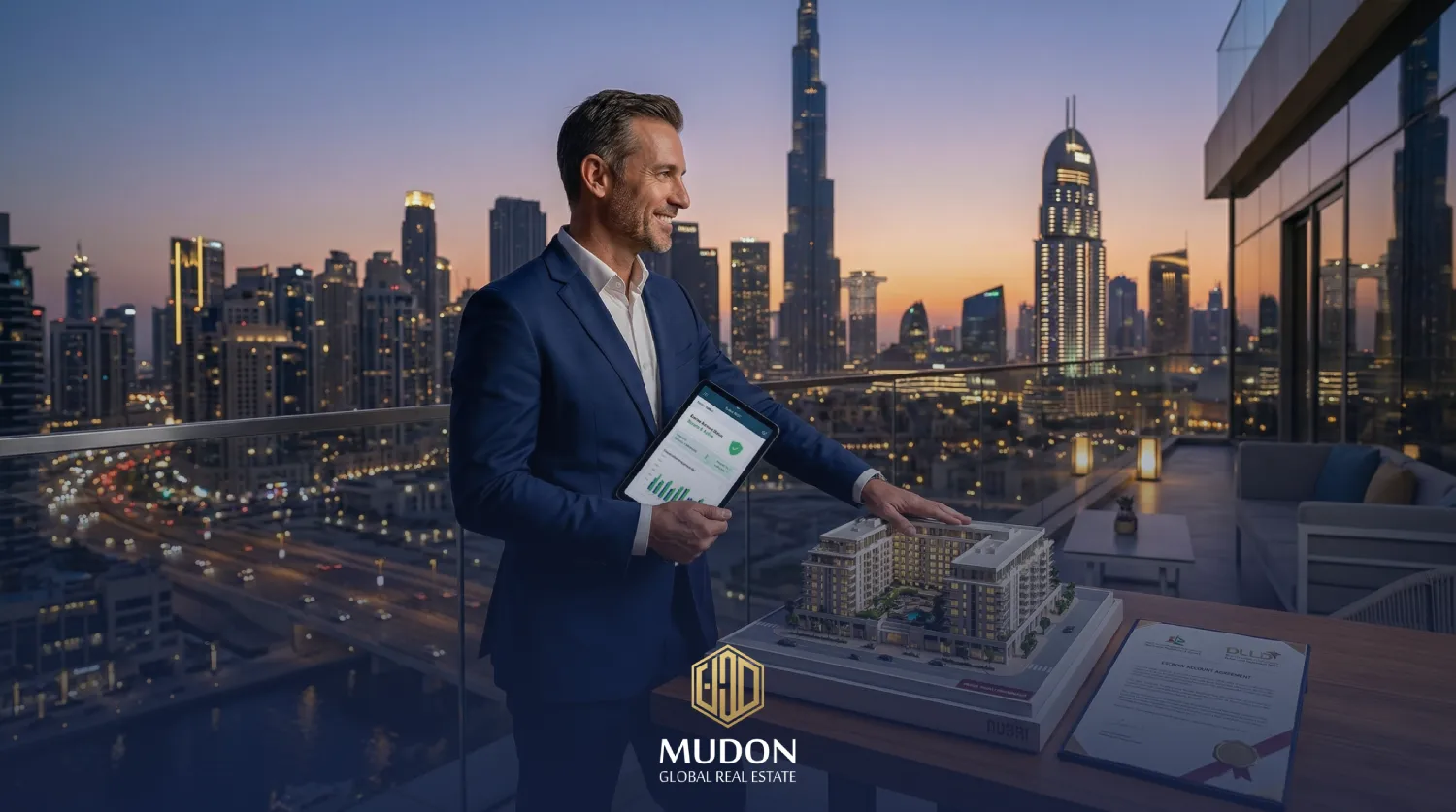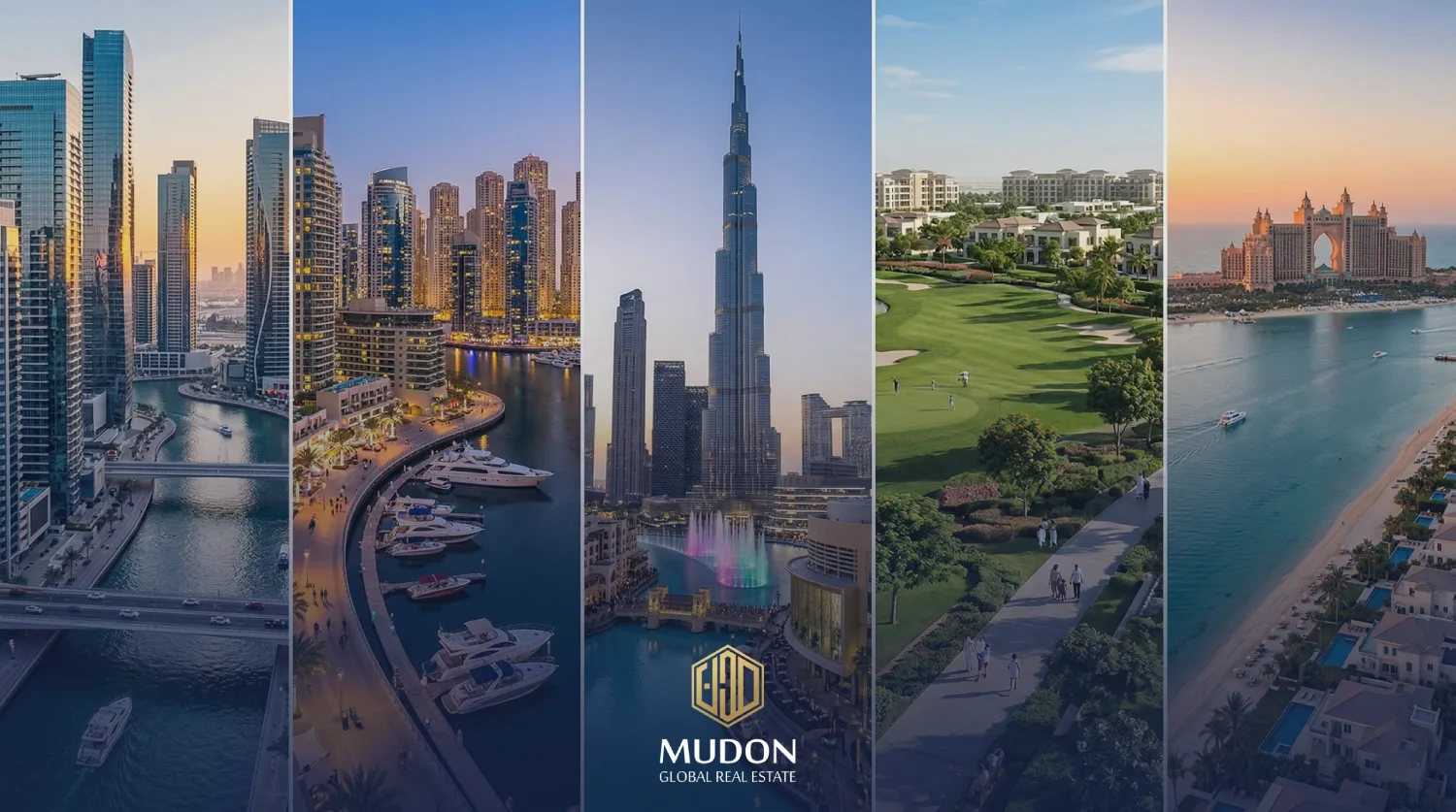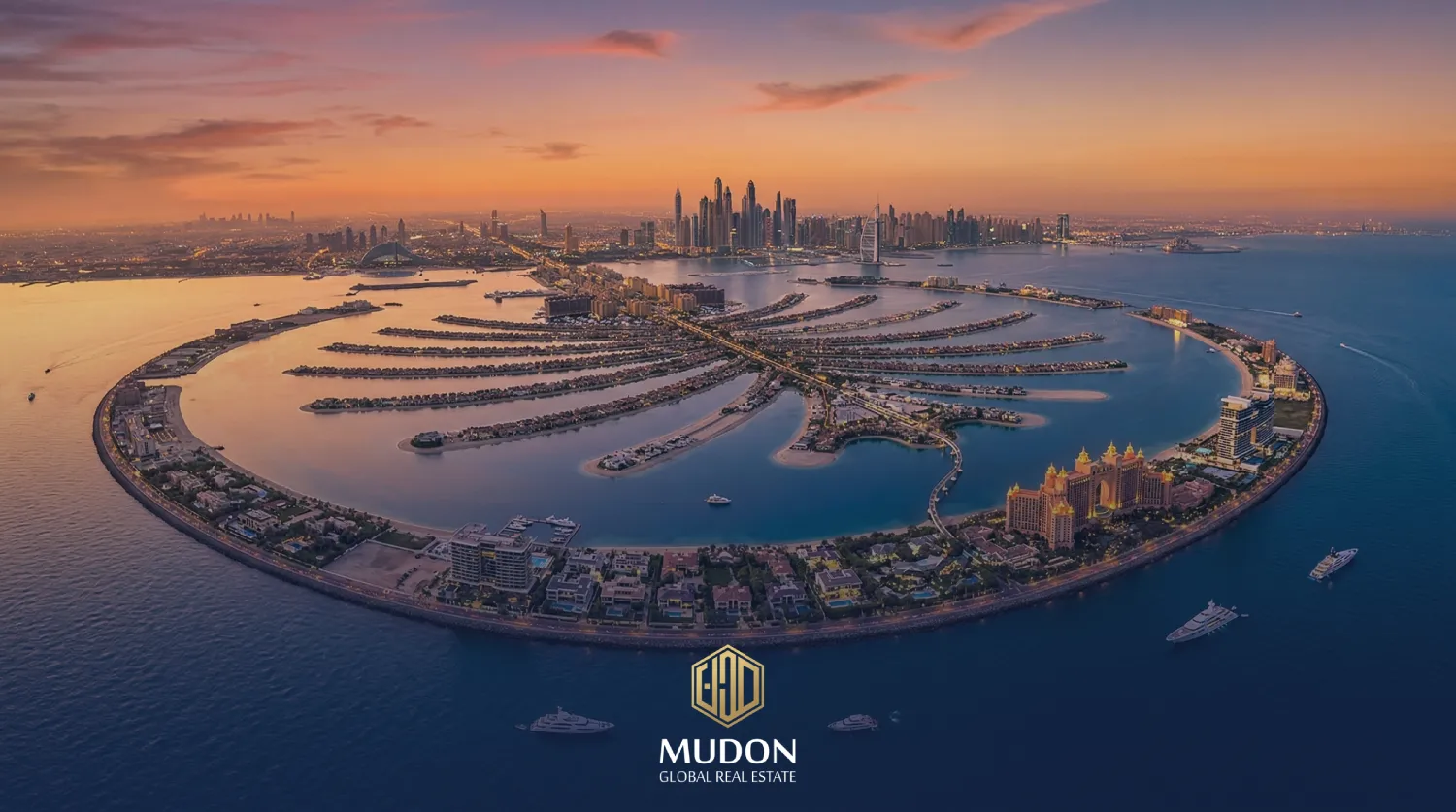
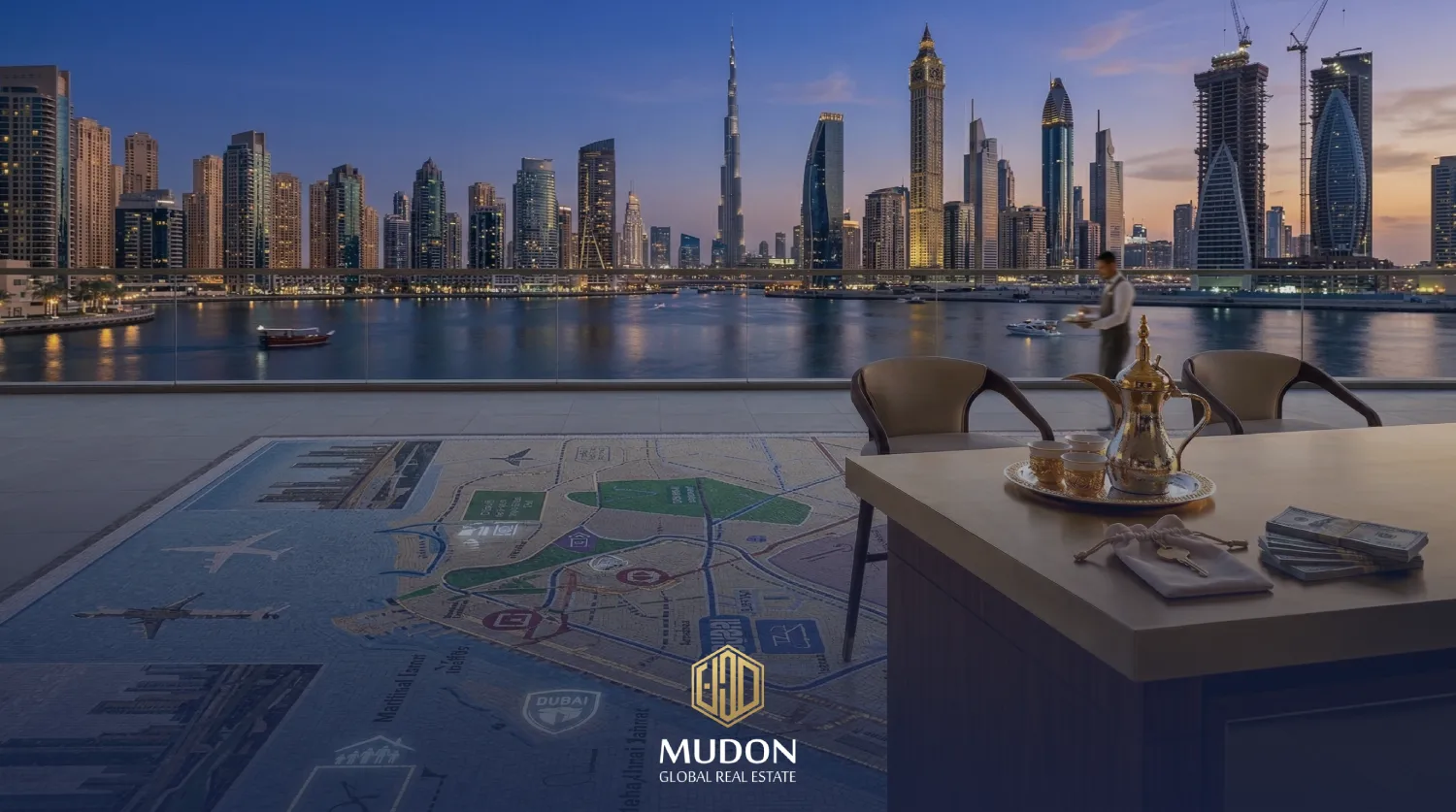
In the global financial landscape of 2026, Dubai is no longer classified among “emerging” property markets reliant on short-term speculation; it has established itself as a secure, mature capital destination that competes directly with — and in many respects outperforms — established markets such as London, New York, and Singapore.
The emirate’s real estate market has undergone a deep structural shift, with total transaction value exceeding AED 919 billion (approximately USD 250 billion) across more than 200,000 transactions, based on the latest Dubai Land Department (DLD) data.
Importantly, the market increasingly relies on cash buyers, who account for approximately 86% of total transactions, providing a robust hedge against global interest-rate volatility.
For high-net-worth investors (HNWIs) seeking asset growth, 2026 offers seven incontrovertible economic reasons to allocate liquidity to Dubai.
Table of Contents
1. Absolute Tax Efficiency and Net Returns
In a global investment environment characterized by rising tax burdens, Dubai offers a zero tax regime on rental income and zero percent on capital gains. The gross rental yields in Dubai range between 5% and 9.5% on average, compared with 2% to 4% in London, and 2.5% to 3.5% in Singapore.
By contrast, a property investor in London faces income tax that can reach 45% in central districts, in addition to a capital gains tax of 28% (up to 24% for the higher bracket).
In New York, returns are eroded by income taxes of around 37% and high annual property taxes, while Singapore imposes income taxes up to 22%.
This full exemption in Dubai makes the gross yield approximately equal to the net yield, accelerating wealth accumulation.
2. Lower Entry Costs (Frictional Costs)
Financial entry barriers and frictional fees in Dubai’s market are significantly lower compared with global real estate havens, enhancing market liquidity and ease of exit.
Transaction costs in Dubai are primarily limited to the Dubai Land Department (DLD) registration fee of 4%, paid once at purchase.
By contrast, entry costs for foreign buyers in London reach approximately 17% to 19% when additional stamp duties are included. In Singapore, the Additional Buyer’s Stamp Duty (ABSD) for foreign buyers has been raised to 60%, bringing total entry costs to roughly 65% of the property’s value.
This disparity makes Dubai the most efficient destination for deploying initial capital.
3. Demographic Boom as a Guarantee for Organic Demand
Dubai’s market growth is not limited to non-resident foreign investors but is rooted in a structural demographic shift toward long-term stability. Thanks to long-term residency programs such as the Golden Visa linked to real estate investment for investments of AED 2 million and above, many expatriates have transitioned to establishing permanent homes.
At the start of 2026, Dubai’s population officially surpassed 4 million, recording an annual growth rate of approximately 5% to 6%, which equates to more than 200,000 new residents in a single year.
This demographic growth requires the addition of roughly 70,000 to 90,000 housing units annually to meet new organic demand, reducing vacancy risk and ensuring sustained occupancy rates.
4. Currency Flexibility (Currency Hedge) and Economic Growth
The UAE dirham’s peg to the US dollar provides international investors with protective shielding against exchange-rate volatility, a material advantage compared with markets operating under free-floating regimes.
The British pound (GBP), for example, has shown sharp volatility and notable depreciation against the dollar over the past decade.
This currency peg, combined with the UAE’s strong economic performance — with IMF forecasts indicating GDP growth near 5% for 2026 — enhances the emirate’s ability to deliver a stable financial environment and globally convertible returns without currency conversion losses.
5. Geopolitical Stability and the Safety Index as a “Tax Alternative”
Amid global geopolitical volatility, “safety” has emerged as a strategic complement to tax exemptions as a primary driver for attracting wealth. High-net-worth investors seek to protect their families and assets from geopolitical tensions.
Dubai consistently ranks among the world’s safest cities, registering a safety index of 84.5 to 85.2, decisively outperforming London (54.8) and New York (51.3).
This comprehensive stability not only protects physical assets but also ensures continuity of business operations, banking services, and education — critical factors for wealthy families establishing permanent bases in Dubai.
6. The D33 Agenda and Dubai Urban Plan 2040: Capturing the “Infrastructure Premium”
The institutional investor does not buy only the present but the future. The D33 economic agenda aims to double Dubai’s economy to AED 800 billion by 2033.
This strategic growth aligns with the “Dubai 2040 Urban Plan”, which redirects development toward the “20-minute communities” concept and walkable green spaces.
Gigaproject infrastructure developments — such as the massive USD 35 billion expansion of Al Maktoum International Airport and the “Blue Line” metro route — create what capital markets term an “infrastructure premium.”
Analytical data indicate that properties located within a 500-meter radius or a 7-minute walk of planned stations experience notable capital value appreciation, which can reach up to 25%.
This provides investors with a clear roadmap to allocate capital and acquire assets before their prices inflate.
7. Regulatory Maturity and AI-Driven Transparency
Venture capital and family offices consistently seek the most transparent legal environments. Dubai has reached a level of regulatory maturity that matches — and in some areas surpasses — advanced Western markets.
Alongside the strict Escrow system imposed by the Real Estate Regulatory Agency (RERA) to protect buyers’ funds in projects under construction, the Dubai government launched the “Smart Rental Index” at the start of 2025.
This leading index uses artificial intelligence to rate each residential building on a one to five-star scale, creating a fully legal and transparent basis for rental adjustments and protecting owners’ returns from legal disputes.
In addition, blockchain technology is being used to document transaction records and issue title deeds via smart contracts, ensuring unparalleled digital and legal security for asset protection.
Frequently Asked Questions (FAQ)
With corporate tax coming into force in the UAE, how can I legally protect the returns of my Dubai real estate portfolio?
The income derived from real estate investment for individuals (residents and non-residents) is fully exempt from income tax in the UAE.
However, if you structure your property ownership through a commercial company, net profits exceeding AED 375,000 are subject to a 9% corporate tax.
The optimal strategic solution for investors who prefer privacy and asset protection without losing tax exemptions is to establish a “Family Foundation” or a special purpose vehicle (SPV) and apply the principle of “tax transparency” to maintain return efficiency.
Can I deploy my crypto assets to purchase a luxury property in Dubai, and what are the legal restrictions?
Yes, Dubai is today one of the few global jurisdictions that regulate and facilitate property purchases using cryptocurrencies such as BTC, ETH, and USDT.
Transactions are executed legally and securely through licensed intermediaries and platforms and are subject to strict Know Your Customer (KYC) procedures.
Legally, cryptocurrencies are treated as a source of funds and are converted into the UAE dirham (AED) at settlement to ensure the property is officially registered in your name with the Dubai Land Department (DLD).
I’ve heard of new legislation on property tokenisation — can I trade digital real-estate shares in Dubai?
Yes — in a major legislative development effective 20 February 2026, the Dubai Land Department (DLD) permitted secondary trading of tokenised property shares.
This means you can now buy and trade digitally certified shares representing legal ownership in apartments and villas via platforms jointly supervised by the DLD and the Virtual Assets Regulatory Authority (VARA).
This update provides foreign investors with exceptional liquidity and the ability to construct and readily monetise diversified portfolios.
In the event of death, how can I ensure my real estate portfolio passes to my heirs without entering into local legal complications?
This is a primary concern we address for all our international clients. Under recent laws (specifically Federal Decree-Law No. 41 of 2022), Sharia law no longer applies by default to non-Muslim foreigners; instead, inheritance is apportioned equally (50% to the spouse and 50% to the children equally).
To ensure absolute control over wealth distribution and avoid mandatory allocation, the strategic solution for 2026 is to register your portfolio through the “DIFC Wills Register”.
This measure ensures a 100% transfer of your assets in accordance with your written wishes or the laws of your home jurisdiction.
Are you ready to relocate your investment portfolio to the world’s most financially efficient centre?
Real estate wealth management requires decisions grounded in precise knowledge and strategic entry. Contact our experts at Mudon Global today to build a tax-exempt real estate portfolio, fortified against global volatility, and securing Golden Residency for you and your family in 2026.